
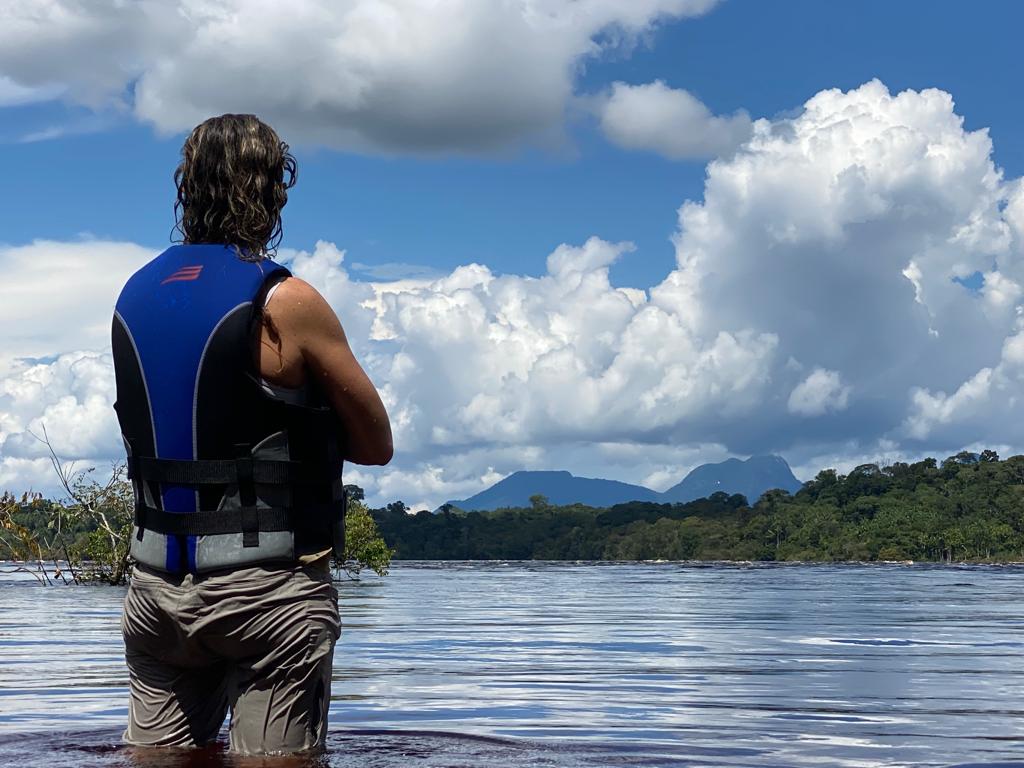
Anyone who has traveled the Amazon has most likely been impressed by the variety of services available offering authentic experiences of contact with nature, culture, and people. Many of us, in an attempt to have a memorable experience, let ourselves be carried away by the comments of other travelers, the appearance of the website or the quality of service offered by the company when making the reservation. The more adventurous traveler leaves this task for days after an immersion in the heat and peculiarities of Manaus. But one thing is certain, almost all of us who want to travel here have the dream of visiting remote places that have caused a buzz on the covers of major magazines like National Geographic Traveler.
Over the years, new environmental laws have been put in place for tourist development in the Amazon region, while at the same time, new ideas have emerged for how to visit these places of great importance for the world with greater awareness. This is the result of centuries of an occidental vision fueled by a lack of education in the history of the places we visit and the people that inhabit them.
At the start of 2020, the tourism sector faced good prospects with an expected growth in demand for travel and an increase in revenue for companies in the sector. However, in the first quarter, the sector suffered from a shutdown of activities due to the COVID-19 pandemic. Practically without activity since March, the communities and people—the guides, rangers, hoteliers, local bar and restaurant owners—suddenly found themselves income-less, due to reduced or absence of visitors, and were forced to adopt a more sustainable lifestyle to replace tourist income.
I arrived in the Amazon 25 years ago, and my perspective on sustainability, science and conservation has always been a pillar that marked my entire personal and professional trajectory. It took some time to understand that to work with tourism in the Amazon in a sustainable and positive way while offering an authentic experience to travelers, it was necessary to include them into our lives and ensure that tours are not exploitative, meaning not indulging whims and desires at the expense of those we visit. We have a desire to share, show and welcome, teaching that travel can be beautifully reciprocal when it’s done right. Remember, the places we visit are not just ‘holiday destinations’ — they’re home for other people.
Now is a great opportunity for meaningful change at every level — for the individual operators, for the traveler, and for the tourism market. If travelers demand more ethical experiences, the industry will pay more attention and start offering them.


