
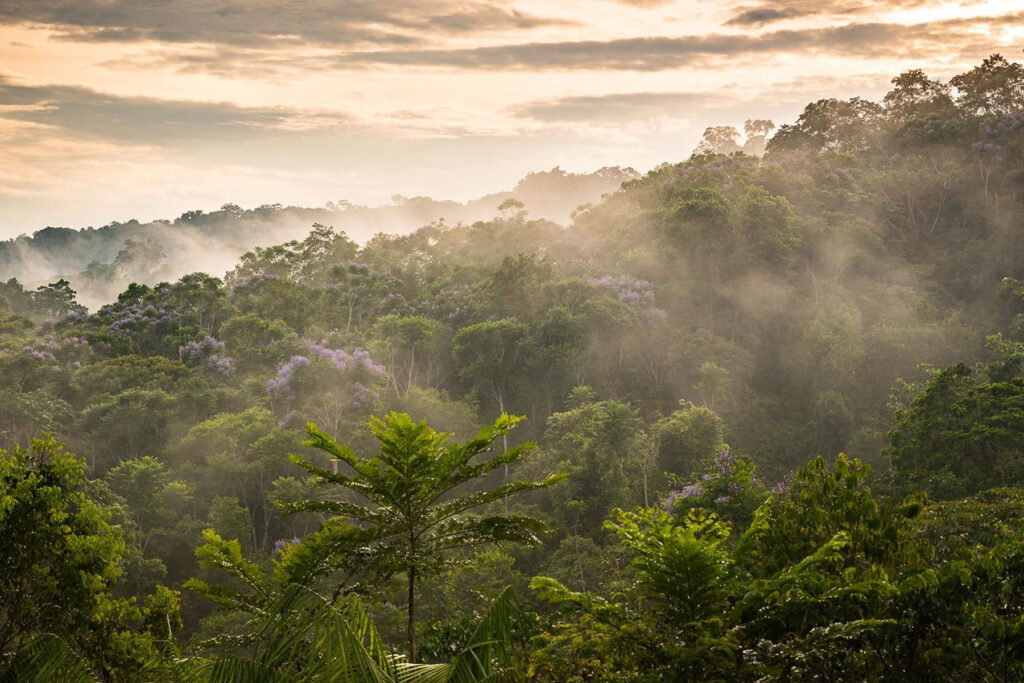
The Amazon Rainforest is a captivating and unparalleled ecological wonder, drawing eco-enthusiasts, researchers, and adventure seekers from around the world. Its vast tropical paradise houses an astonishing variety of flora and fauna, and its unique weather patterns and distinct seasons make it a dynamic and enchanting destination.
In this blog post, I will explore the Amazon Rainforest’s weather and seasons, offering insights from a seasoned tourism professional with 26 years of experience living and operating in this incredible environment. We will delve into our region’s weather patterns and seasonal variations. Furthermore, I will address the current issue of smoke caused by recent fires in the Manaus region and nearby areas, discussing the specific impacted areas. Lastly, I will cover the effects of the “El Niño” phenomenon, which not only influences the Amazon but also has global repercussions.
Weather in the Amazon Rainforest
The Amazon Rainforest experiences a tropical rainforest climate characterized by high temperatures and heavy rainfall throughout the year. However, the weather in the Amazon can be unpredictable, creating a rich tapestry of conditions that make it a challenging yet rewarding place to explore.
Rainfall and Humidity:: The Amazon receives an enormous amount of rainfall, with some regions like northeast rainforest (Presidente Figueiredo), experiencing more than 100 inches of rain per year. This constant humidity (over 80%) promotes lush vegetation and a world-unique biodiversity.
Temperature: The Amazon experiences consistently warm temperatures throughout the year, with an average range of 77°F to 88°F (25°C to 31°C). Despite the warmth, evenings and nights can be cooler, so packing for varying temperatures is advisable.
Distinct Seasons in the Amazon Rainforest
While the Amazon Rainforest doesn’t have the traditional four seasons we often associate with temperate regions, it does have distinct weather patterns and variations that are worth exploring.
Wet Season (Rainy Season): The wet season typically occurs the first semester of the year, rivers swell, and the forest comes alive with an explosion of greenery. It’s the best time for witnessing the Amazon’s vibrant and diverse ecosystem. The increased water levels also make it easier to explore the region by boat.
Dry Season: The dry season, spanning from the second semester, sees a significant reduction in rainfall. While the Amazon is never truly dry, this period offers the opportunity to explore trails and hike through the forest with relative ease. Wildlife sightings may be more frequent as animals congregate near water sources.
Operating Ecotourism in the Amazon Rainforest
Professionals operating and living in the Amazon Rainforest, guides and researchers, play a vital role in helping visitors navigate this unique environment. They possess an in-depth understanding of the weather and seasons, ensuring that guests have a safe and enriching experience.
Local Knowledge: Local guides are intimately familiar with the rainforest’s microclimates, enabling them to anticipate weather changes and tailor tours to take advantage of optimal conditions.
Safety: Experienced guides prioritize safety, ensuring that visitors are equipped with the necessary gear for unpredictable weather, and they provide guidance on navigating the rainforest’s trails and waterways safely.
Conservation: Professionals in the field are dedicated to educating visitors about the importance of rainforest conservation and the ongoing efforts to protect this critical ecosystem.
Smoke from Wildfires Fills the Air During a Drought in Manaus
Acknowledging the extensive and intricate nature of this topic, I will closely align with the section’s title. To commence, I will highlight the substantial knowledge gap about our region and the confusion propagated by the media. This has resulted in a wide array of opinions, particularly among those in the tourism industry, generating significant apprehension about the future of travel business in our region.
I perused numerous national and international publications featuring headlines such as: “Manaus, the largest city in Brazil’s Amazonas state, has for days been engulfed by a toxic cloud of smoke from forest fires…” and here starts my point of view. Manaus is the capital of the Amazonas state in Brazil, not the Amazon rainforest itself, this differentiation holds significant importance.
The majority of the forest surrounding Manaus consists of secondary growth, characterized by the presence of riverine communities of caboclos and few indigenous ones on both sides of the Rio Negro. These communities employ traditional techniques, such as burning trunks prepare the soil for new plantations, a method inherited from indigenous cultures that have practiced it for generations during their nomadic lifestyles. While this tradition persists in ethnic groups, the growing population in riverine communities near Manaus has led to the intensification of this practice, resulting in unsustainable agriculture.
Up to this point, I’ve discussed smaller-scale incidents. Simultaneously, there’s a significant recent push for the establishment of large-scale productive agricultural projects, promoted by the government to meet the region’s food requirements and potentially supply other states in the country. These projects employ the same burning technique I previously mentioned, primarily due to its cost-effectiveness, making it the most economical option available, and the proximity to Manaus plays a strategic role, simplifying logistics for the transportation of goods to their ultimate destinations.
Adding to this, a third factor emerged: the “El Niño” phenomenon made its untimely appearance, exacerbating the challenges by isolating people and disrupting the daily routines of riverine residents, including access to schools, hospitals, local markets, and more.
To the best of my knowledge, there was no government intervention, and the population had to rely on the benevolence of nature, as sporadic rains (normal for this season) began to appear. These rains have played a crucial role in slowly cleansing the environment, and the situation is gradually returning to its usual state. But one thing that the people of the Amazon possess in abundance is resilience, and I am certain that interesting initiatives will emerge from this remarkable collective experience, which you now know is highly localized.
Now, I will delve into the aspect that holds the utmost importance in this article, which is the tourism industry. It’s evident that the businesses most severely affected by this event were the jungle hotels along the Rio Negro, especially those situated up to 100 km from Manaus. They grappled with accessibility issues caused by the river’s drought, forcing them to swiftly devise strategies to accommodate guests who had long-awaited their dream stays. The Presidente Figueiredo region, where the Private Refuge is situated, and various other accommodations and dining establishments for visitors in this municipality, was unaffected by the phenomenon and remained unscathed, as did river tour operators who adapted well. Indeed, both proposals for experiences in the Amazon, being located in a highland forest region, began to cater to the demand from partner jungle hotels along the Rio Negro to accommodate their guests, combining itineraries with river cruise journeys to complement the land and river experience. We experienced a remarkably busy month as a result.
In conclusion, there are several factors contributing to the unique way of life in the Amazon, which unfortunately remains relatively unknown to many. Now is a prime opportunity to explore our environment up close, fostering greater empathy and understanding for why the world’s attention is focused on the Amazon. It’s a chance to connect with the cultural and natural richness that envelops us, characterized by our simplicity and generosity. With this in mind, we aim to provide a refined and high-quality experience to those who choose Brazil as their next holiday destination. This is our ultimate aspiration.
Whether you’re a seasoned explorer or planning your first adventure to the Amazon, I encourage adventurers to embrace the unique gifts each period offers. Join us in celebrating the versatility of this remarkable ecosystem and seize the opportunity to experience its enchantment, no matter when you choose to embark on your Amazonian expedition. Come and savor the Amazon’s magic!


