
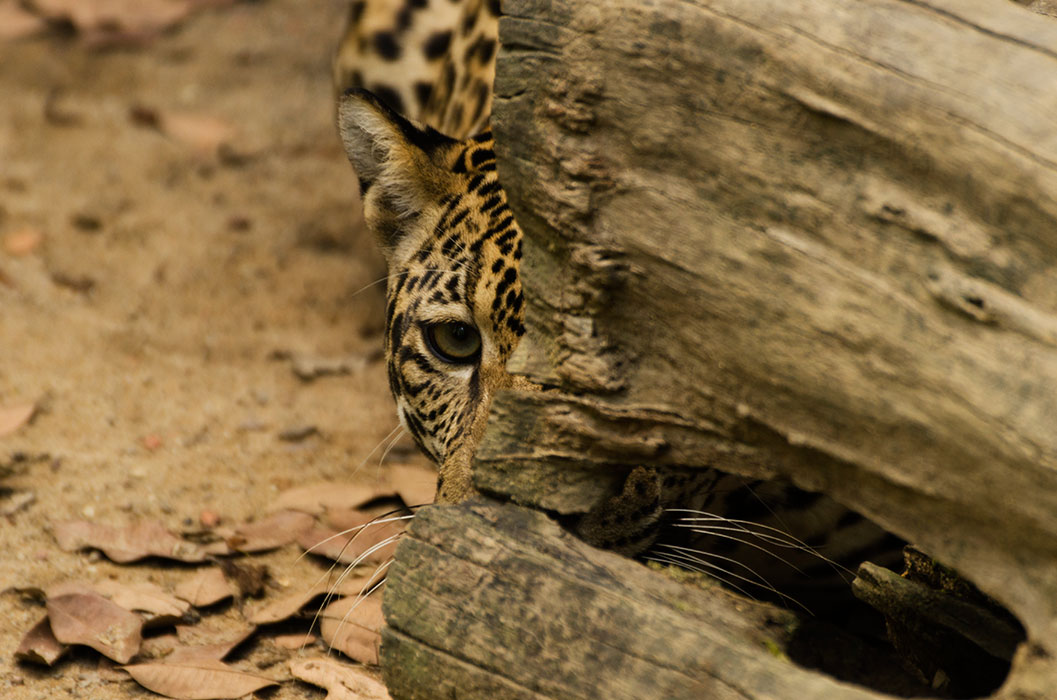
It is unfortunate that such a myth has been perpetuated in the tourism industry, as it does not accurately reflect the reality of the Amazon rainforest’s incredible biodiversity. While the Pantanal is undoubtedly an excellent destination for ecotourism and wildlife watching, the Amazon rainforest is equally impressive in terms of its flora and fauna.
This opinion is based on my personal experience and knowledge acquired by living and working in the forest for many years, as well as my travels to other biomes throughout Brazil and the world.
The Amazon is the largest tropical rainforest in the world, covering approximately 5.5 million square kilometers. It is home to an incredibly diverse array of species, including jaguars, anacondas, monkeys, birds, and many others. However, due to the dense canopy and vegetation, it can be challenging to spot wildlife in the Amazon rainforest, especially without an experienced guide.
The Pantanal, on the other hand, is a vast wetland ecosystem located in Brazil’s interior. It offers a more open and accessible landscape, making it easier to spot wildlife, including jaguars, capybaras, giant otters, and a wide variety of bird species. The Pantanal’s dry season, which occurs between May and October, is an ideal time for wildlife watching as animals are more concentrated around the remaining water sources.
Overall, both the Amazon rainforest and the Pantanal offer incredible wildlife viewing opportunities, but they differ in terms of their landscape, accessibility, and wildlife concentrations. Ultimately, the best destination for ecotourism and wildlife watching will depend on individual preferences, interests, and travel goals.
I completely agree that combining local knowledge with science is crucial for the success of ecotourism and wildlife watching in the Amazon rainforest. The rich biodiversity of the region demands a deep understanding of the local ecosystems, as well as the scientific principles that govern them.
Local knowledge and expertise are invaluable for understanding the behaviors and habitats of different species in the Amazon rainforest. The indigenous peoples and traditional communities who have lived in the rainforest for generations have a deep understanding of the region’s natural resources, and their knowledge is essential in guiding ecotourism activities and promoting sustainable practices.
At the same time, scientific knowledge is essential for understanding the ecological systems that underpin the rainforest’s rich biodiversity. Biologists, ecologists, and other scientists play a crucial role in conducting research, developing conservation strategies, and promoting sustainable practices that protect the Amazon rainforest’s natural resources.
By combining local knowledge and scientific expertise, tour operators can provide visitors with a unique and informative experience that promotes conservation and sustainability. Visitors can learn about the local cultures and traditions while gaining a deep appreciation for the intricate relationships between different species and their habitats.
I confess that I have been fortunate enough to fulfill many of my dreams in this life, still I have many. But there are two dreams that I have not yet been able to achieve: travel to the African continent and becoming a biologist. Despite my various interests and passions, my fascination with the scientific knowledge of life has always held a special place in my heart.
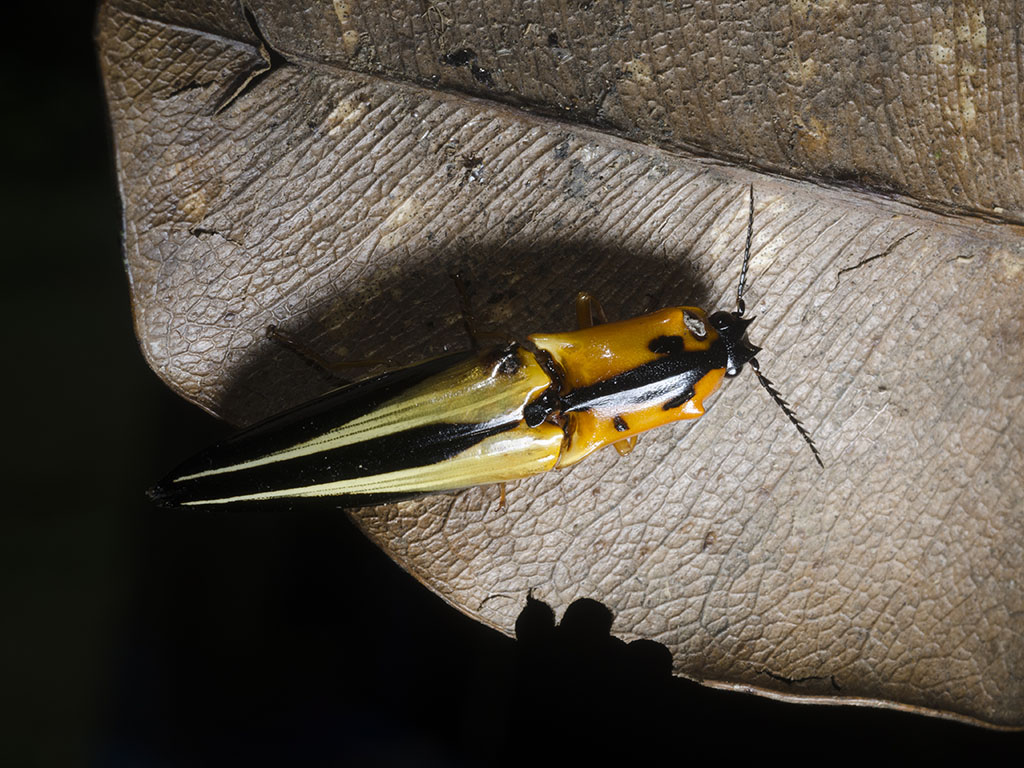
Although I did not ultimately pursue a career in biology, my interest in the subject has never waned. I continue to read scientific literature and keep up with the latest research developments, with the support of biologist friends who share the same interests as me. Through our shared love for the natural world, we have been able to build a strong community and collaborate on some truly exciting projects. One of my favorites is the Suaçuboia Project, led by Igor Yuri, who spent several years trekking through the jungle, developing projects with snakes. His academic and professional experiences are focused on ecology and zoology, with emphasis on topics such as biogeography and evolution of reptiles and anuran amphibians. He is also the biggest supporter for our Citizen Science project, designed and implemented by Amazon Emotions, in Presidente Figueiredo – Brazil, whose main objective is to involve guests to record their own observations of flora and fauna through the iNaturalist app, an online social network of people sharing biodiversity information to help each other learn about nature, making a positive impact on tourists’ experience who come to the Amazon rainforest.
It is humbling to realize that there is still so much we do not know about the world around us. The more we learn, the more we realize how much more there is to discover. For me, this is the beauty of biology and science in general – the never-ending quest for knowledge and understanding.
In conclusion, tour operators and travel agencies have a crucial role to play in promoting responsible and sustainable ecotourism in the Amazon rainforest. It’s not a competition between the Pantanal and Amazon when it comes to ecotourism and wildlife watching. Both ecosystems offer incredible opportunities for nature lovers, and the key to promoting responsible and sustainable tourism is to use good sense and promote best practices that prioritize conservation, sustainability, and the well-being of local communities.


